About Silicon Nutrition
More than 25 years of experience in silicon-based technologies.
Decades of practical work with silicon technologies became the foundation for the development of modern agricultural solutions.
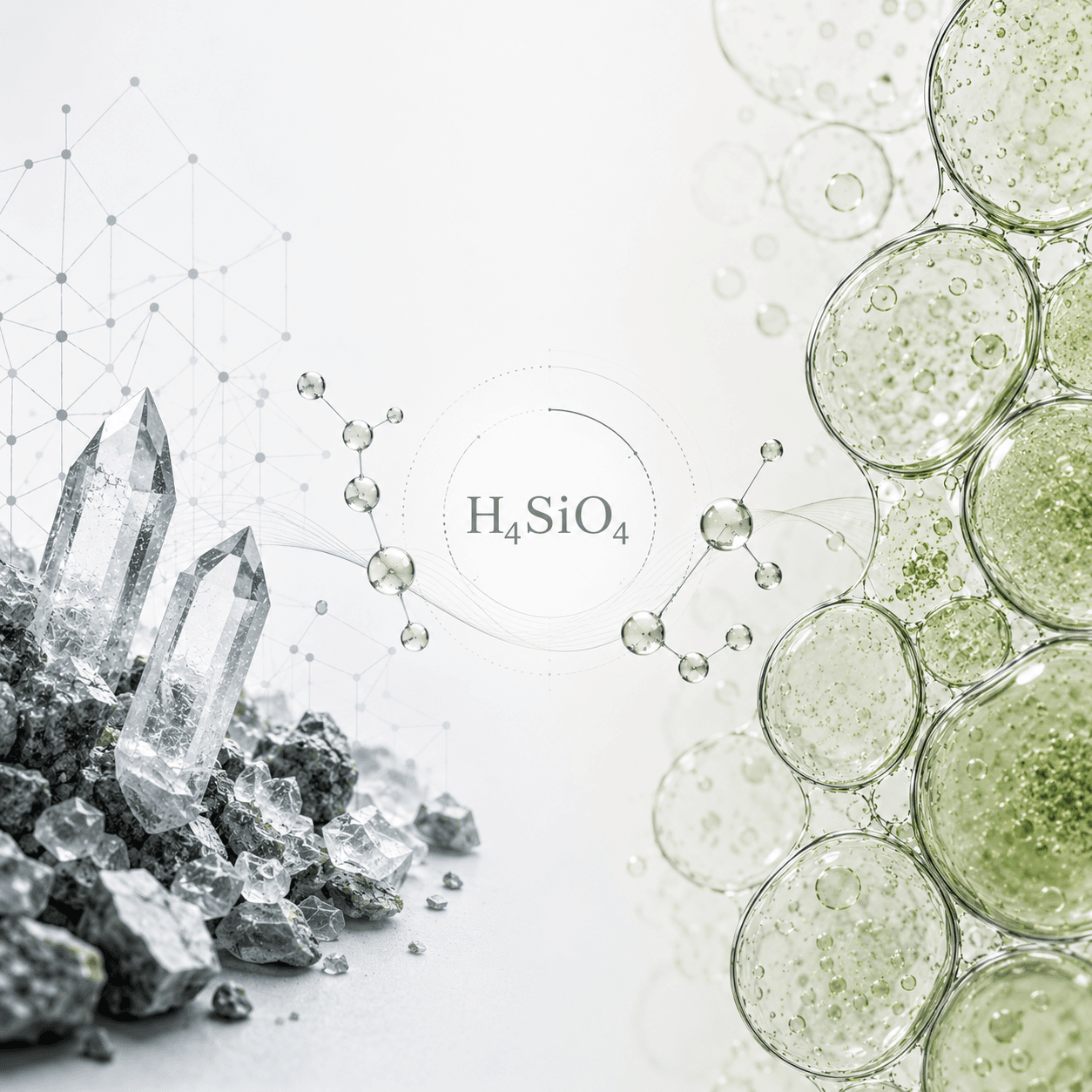
HumiSil was created on the foundation of more than 25 years of experience working with silicon-based technologies.
Long before HumiSil, our work centered on developing and practically applying silicon-based solutions across a range of biological and environmental fields. Over these years we built our own technologies, products and patented developments, accumulating a unique body of practical experience with silicon.
Our solutions have been applied in fields as varied as livestock farming, aquaculture, beekeeping, environmental projects, and other areas where the resilience of biological systems plays a critical role.
A significant part of this work was carried out in Ukraine, where our scientific and practical foundation was built over many years. Additional experience was gained through research and practical projects carried out in a number of European countries. Decades of research, testing and implementation allowed us to deeply understand the role of silicon in strengthening the resilience of living organisms to adverse environmental conditions.
Over time, this accumulated experience led us into agriculture.
From Silicon Technologies to Agriculture
The experience gained through decades of work with silicon technologies naturally led Silicon Nutrition to agriculture — a field where resilience, efficient resource use and adaptation to environmental stress are becoming increasingly important.
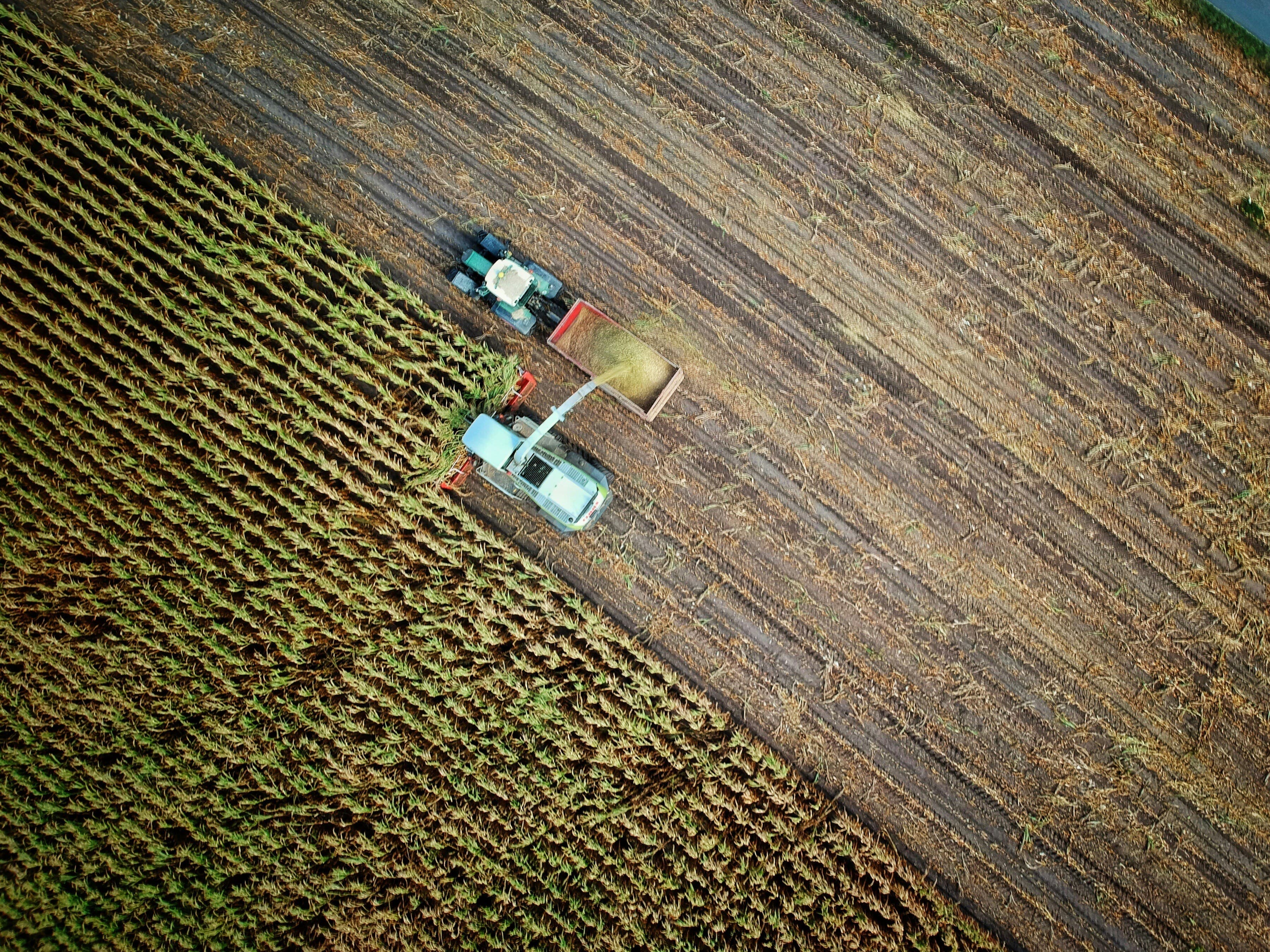
This is how HumiSil came to be — a new-generation potassium silicon humate, developed for agriculture that increasingly faces climatic and biological stress, declining resource-use efficiency, and growing pressure on soil health.
By combining humic substances, available silicon and a natural mineral complex, HumiSil helps plants maintain productivity under abiotic and biotic stress, use water and mineral nutrients more efficiently, and improve fertilizer efficiency — supporting more rational resource use and reducing the burden on soil.